
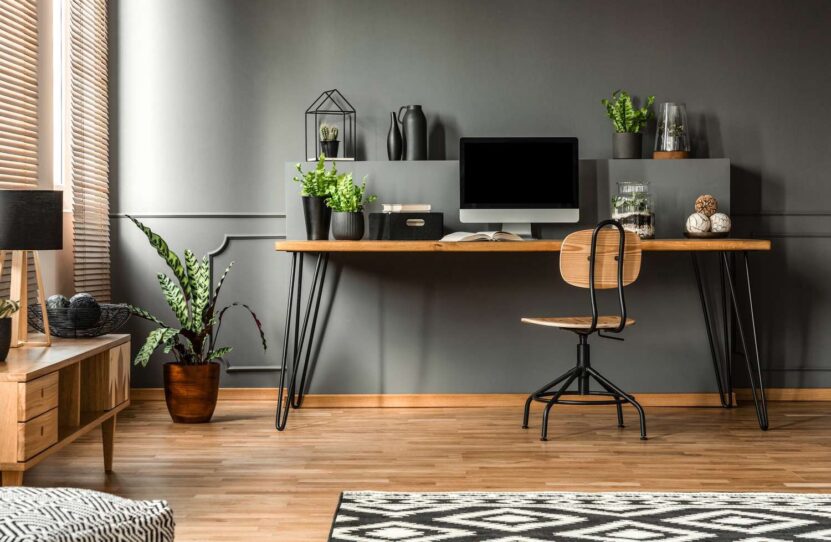
A surprising number of home buyers say visible wiring makes a room look unfinished. Real estate staging surveys often mention exposed cables as one of the fastest ways to make a space feel cluttered. If you have a wall mounted TV, a home office setup, or a gaming station, you probably know how quickly wires multiply. Learning how to hide cables on a wall can transform a room without major renovation.
Neatly managed wiring improves safety, makes cleaning easier, and gives your space a polished look. Several reliable methods exist, including raceways, in wall solutions, and surface concealment techniques. The right approach depends on your wall type, budget, and long term plans.
Why Cable Management Matters
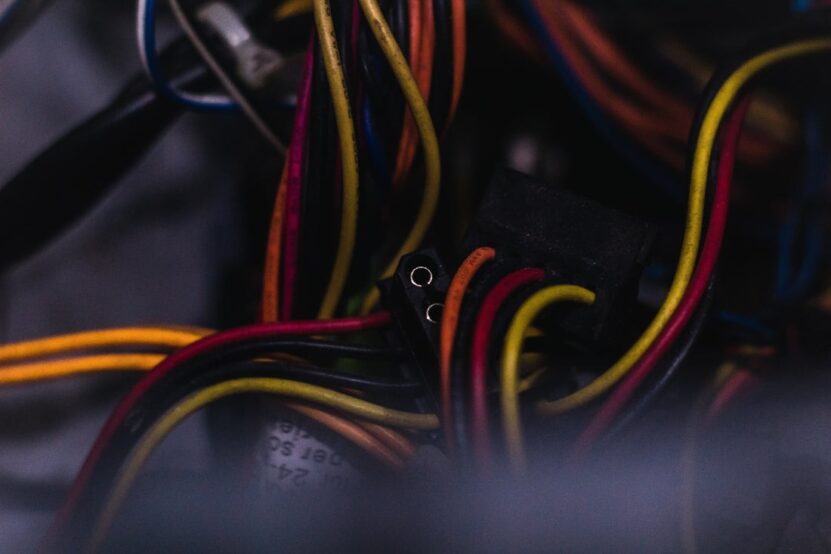
Visible wiring distracts the eye and makes even expensive equipment look temporary. Clean cable routing gives the impression of thoughtful planning and proper installation. Many homeowners start with simple fixes, then gradually move toward permanent solutions once they see the difference.
Cable organization also improves functionality. Tangled cords trap dust and become harder to maintain over time. Devices get unplugged accidentally, and identifying the right cable becomes frustrating.
Many professional environments depend on neat wiring to maintain order. Gym owners managing equipment displays or systems that use tools like Crossfit Software often keep cables hidden behind walls or raceways so screens remain the focus instead of wiring.
Practical benefits include:
- Organized wiring reduces tripping hazards and improves safety around work areas and entertainment centers.
- Dust buildup stays lower when cables are not tangled across floors and shelves.
- Equipment lasts longer because cables avoid unnecessary bending and stress.
- Rooms look cleaner even before full decorating is complete.
A well planned cable layout saves time later and avoids repeated adjustments.
Using Cable Raceways for a Clean Surface Look
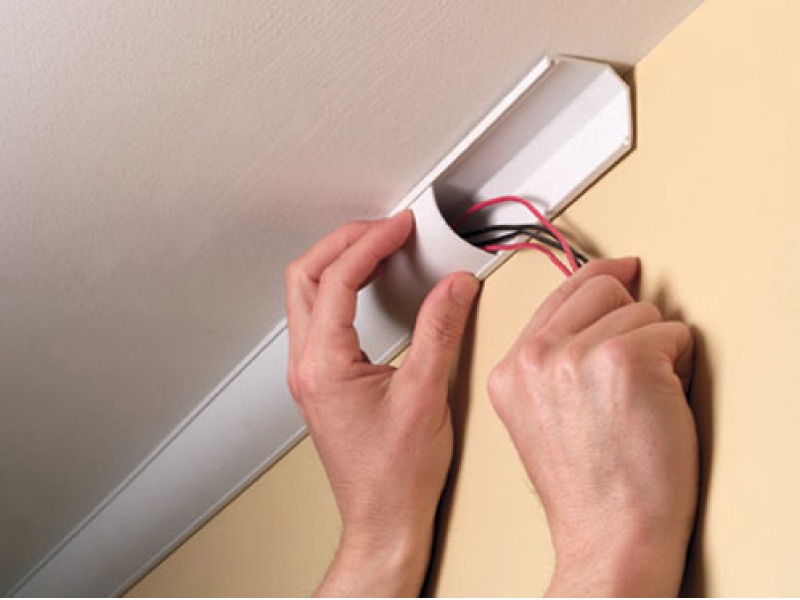
Raceways offer one of the easiest ways to hide cables on a wall without cutting into drywall. Plastic or metal channels mount directly onto the surface and conceal multiple cables inside a protective track.
Installation usually takes less than an hour and requires only basic tools. Many raceways include adhesive backing, although screws create a more secure hold on textured walls.
Common advantages include:
- Installation stays simple and does not require electrical knowledge.
- Raceway covers can be removed easily when cables change.
- Most models can be painted to match the wall color.
- Cable routing remains accessible for future upgrades.
Raceways work especially well for wall-mounted televisions and desk areas where cables run vertically.
Did you know:
Some raceway systems allow corner connectors and T junctions, allowing cables to follow architectural lines for a nearly invisible appearance.
Planning the route before installation prevents awkward bends and improves the final result.
In Wall Cable Solutions for a Seamless Finish
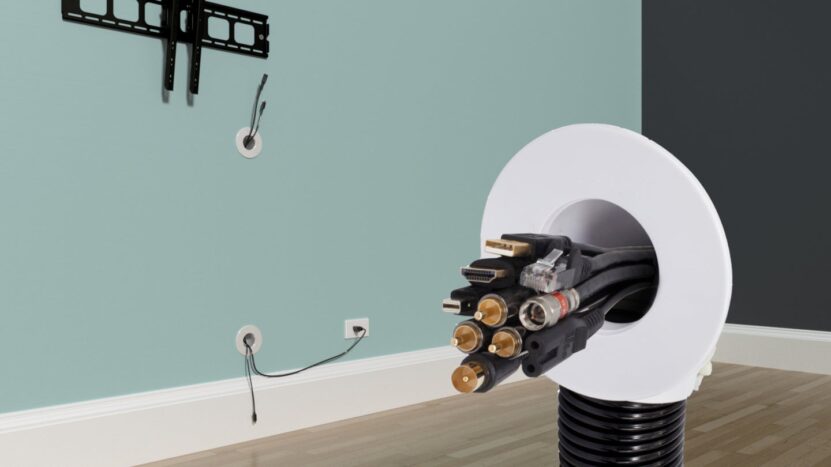
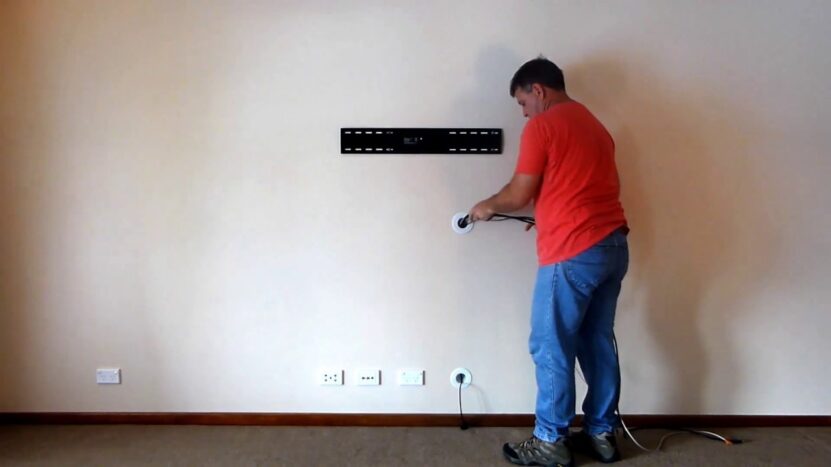
In wall installation provides the cleanest appearance because cables disappear completely behind drywall. Many homeowners choose this method when mounting a television or building a permanent workspace.
Drywall openings allow cables to pass between studs, creating a straight path from device to outlet. Special wall plates protect wires and maintain a professional look.
Important considerations include:
- Electrical codes often require rated in wall cables for safety.
- Stud locations determine the path cables can follow.
- Access holes must align properly to avoid visible gaps.
- Some walls contain insulation that requires careful handling.
In wall routing takes more effort but produces a finish that looks professionally installed.
Building codes in many regions require CL2 or CL3 rated cables for in wall installation because standard cords may pose a fire risk.
Careful measurement before cutting prevents costly repairs later.
Choosing the Right Cable Covers and Channels
Cable covers provide a middle ground between full raceways and loose cables. Slim channels attach directly to walls or baseboards and keep wires grouped neatly together.
Many homeowners prefer covers because they stay subtle while still protecting cables. Narrow designs blend easily into corners or along trim.
The following comparison helps clarify common options:
| Method | Installation Difficulty | Visibility | Cost Range |
|---|---|---|---|
| Basic cable clips | Very easy | Moderate | Low |
| Cable covers | Easy | Low | Low to moderate |
| Raceway systems | Moderate | Very low | Moderate |
| In wall routing | Advanced | None | Moderate to high |
Cable clips work best for short runs, while raceways handle larger cable bundles. In wall methods provide the cleanest visual result but require the most preparation.
Choosing based on room usage usually leads to better long term results.
Planning Cable Routes Before Installation
Good cable management starts with careful planning. Rushing installation often leads to crooked lines or poorly placed openings that remain visible even after cables are hidden.
Before starting any project, take time to map out where each cable begins and ends. Measure distances carefully and check for obstacles inside walls.
A solid plan typically includes:
- Identifying power outlets and signal sources.
- Checking stud spacing with a stud finder.
- Measuring cable lengths with extra slack included.
- Marking straight lines using painter tape.
Straight cable paths usually look more intentional than diagonal routing. Following trim lines or vertical edges keeps the installation visually balanced.
Interesting fact:
Professional installers often route cables along visual boundaries such as corners or shelving lines because the eye naturally ignores these areas.
Spending a few minutes planning prevents hours of correction later.
Creating Clean Finishes Around Outlets and Devices
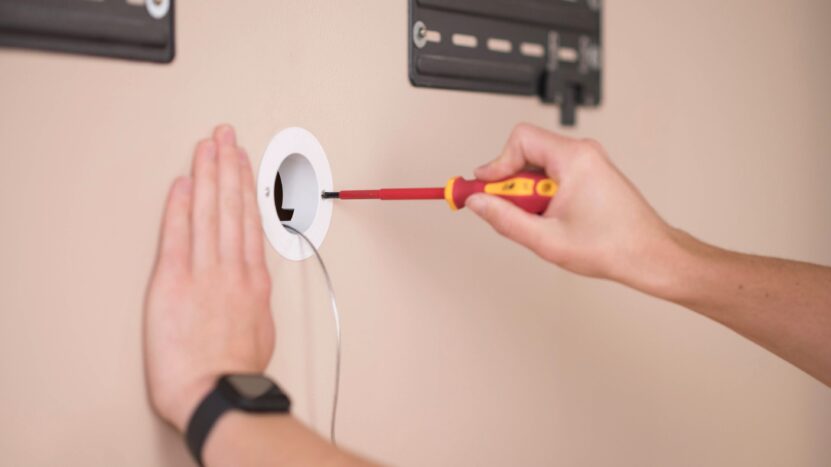
The final details determine whether cable management looks professional or improvised. Rough openings and exposed edges quickly undermine otherwise good work.
Wall plates provide a clean transition where cables enter or exit surfaces. Brush plates allow cables to pass through while completely hiding openings.
Attention to finishing details should include:
- Cutting drywall openings slightly smaller than wall plates.
- Using matching screws and hardware.
- Aligning wall plates with outlet covers.
- Keeping cables straight near entry points.
Small adjustments often create the biggest visual improvement.
Subnote:
Brush style wall plates help prevent dust from entering the wall cavity while still allowing flexible cable movement.
Neat finishing creates a sense of permanence even in simple installations.
Paint and Visual Blending Techniques
Even well installed raceways can stand out if the color contrasts with the wall. Painting cable covers often makes them nearly invisible.
Most plastic raceways accept standard interior wall paint after light sanding and priming. Matching the exact color produces the best results.
Painting tips include:
- Apply primer first so paint bonds properly.
- Use the same finish as the wall surface.
- Allow covers to dry before installation.
- Paint screws to match when visible.
Some installers prefer slightly lighter shades because they reflect light similarly to painted drywall.
Color matching works especially well in rooms with neutral tones where small visual differences become noticeable.
Consistent color and alignment help the installation blend naturally into the room.
Conclusion
Hidden wiring changes the way a room feels. Clean cable routing improves safety, reduces clutter, and makes equipment look properly installed instead of temporary.
Raceways provide quick improvement with minimal effort. In wall installations offer the most seamless appearance. Cable covers work well when flexibility matters. Careful planning and neat finishing bring all these methods together into a professional result.
Learning how to hide cables on a wall does not require advanced skills. Simple tools and thoughtful layout decisions usually produce excellent results. A tidy wall with concealed cables often makes the entire space feel more organized and comfortable to use.